Our newest federal holiday commemorates the end of one of America’s Original Sins. But the fallout remains.

I took in Day Three of our recent Juneteenth weekend with a lot of gratitude and some humility.
Although Juneteenth in some form has been a celebration within the African American community for more than 150 years, the federal government only recently recognized it as an official holiday.
As with other federally-recognized holidays, especially during summer months, Juneteenth for many will largely be seen as a three-day weekend, with little thought to the reasons behind it.
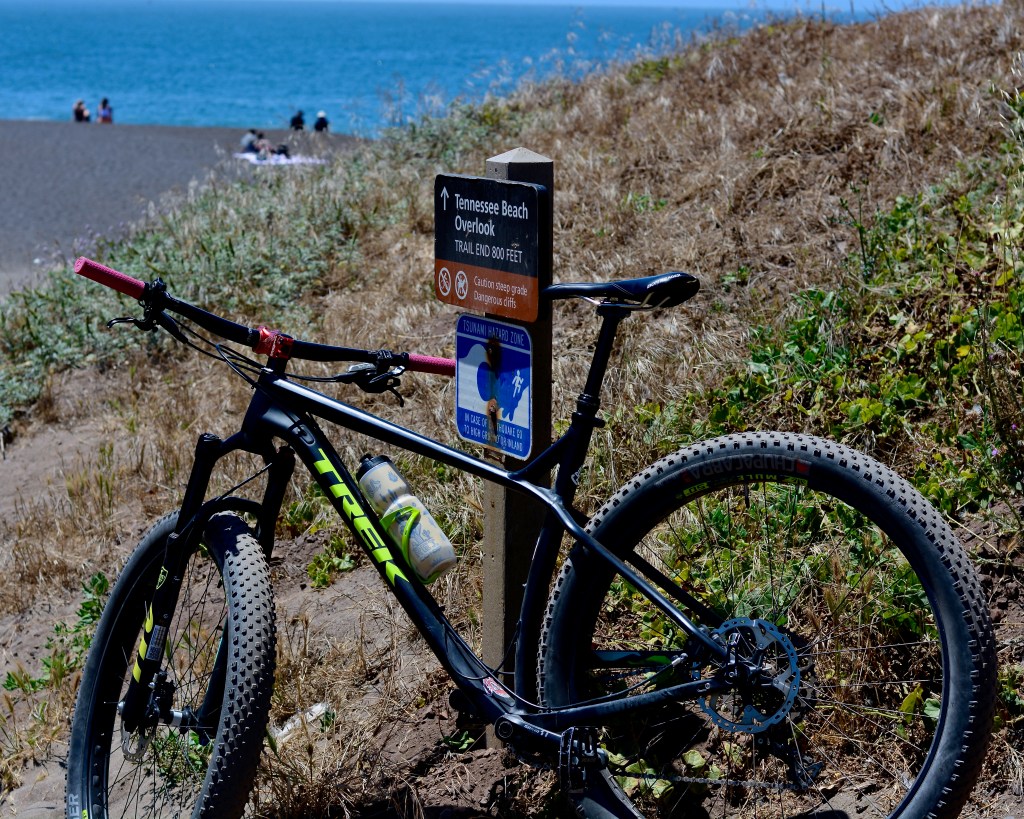
I’m as happy as anyone for another three-day weekend and was grateful to have a day to myself to get on my bike and enjoy the landscape and some beautiful weather.
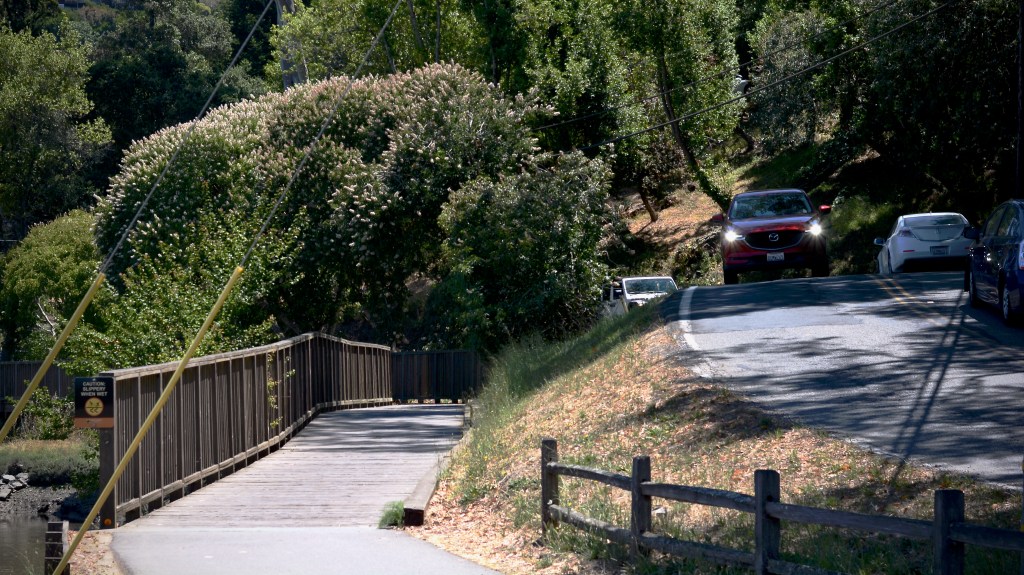
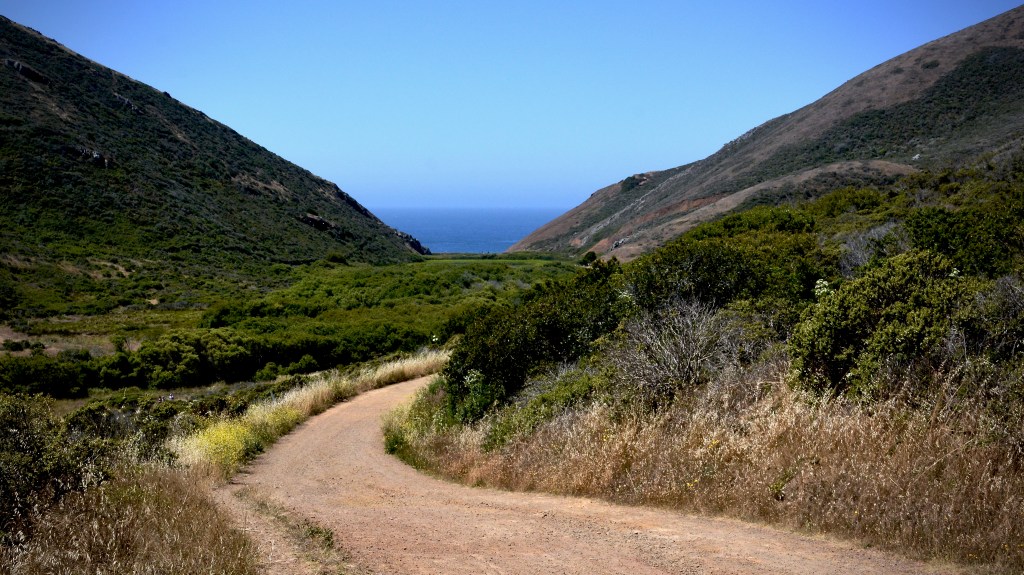
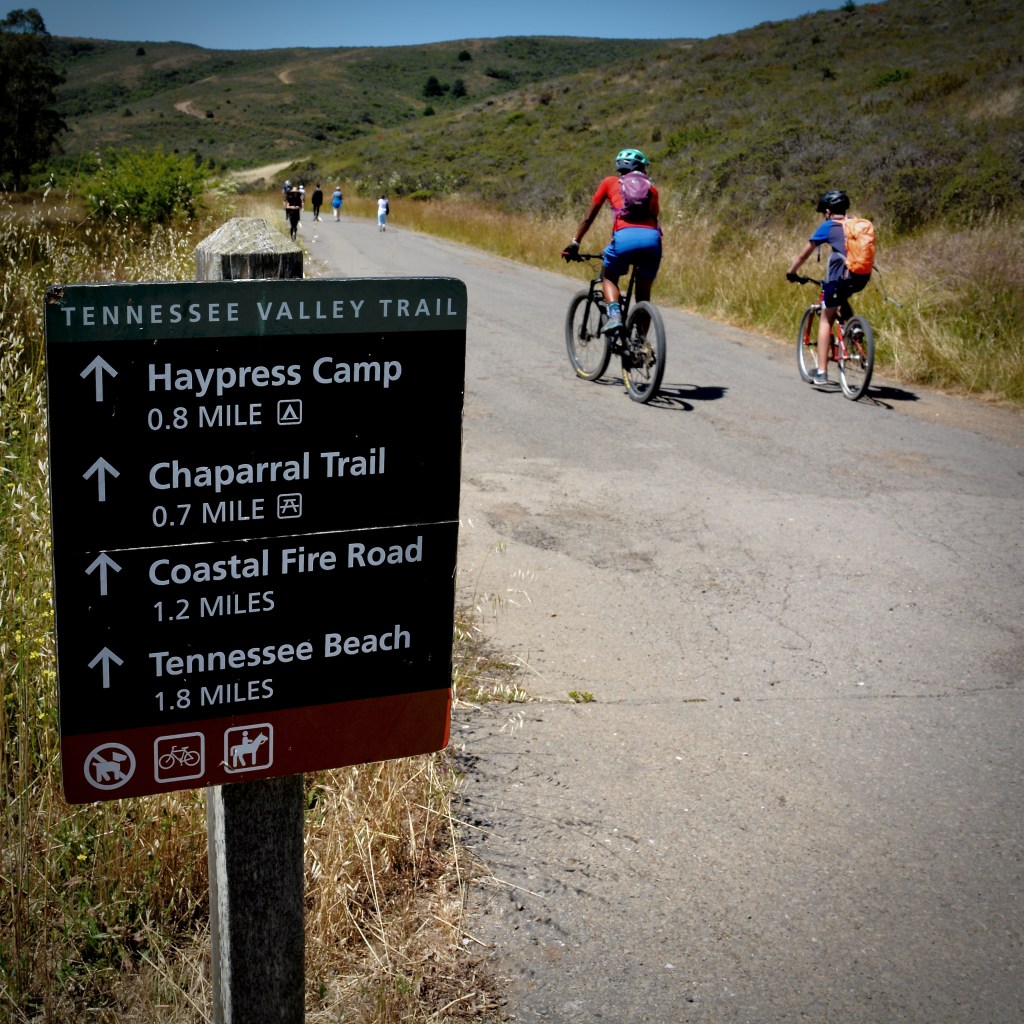
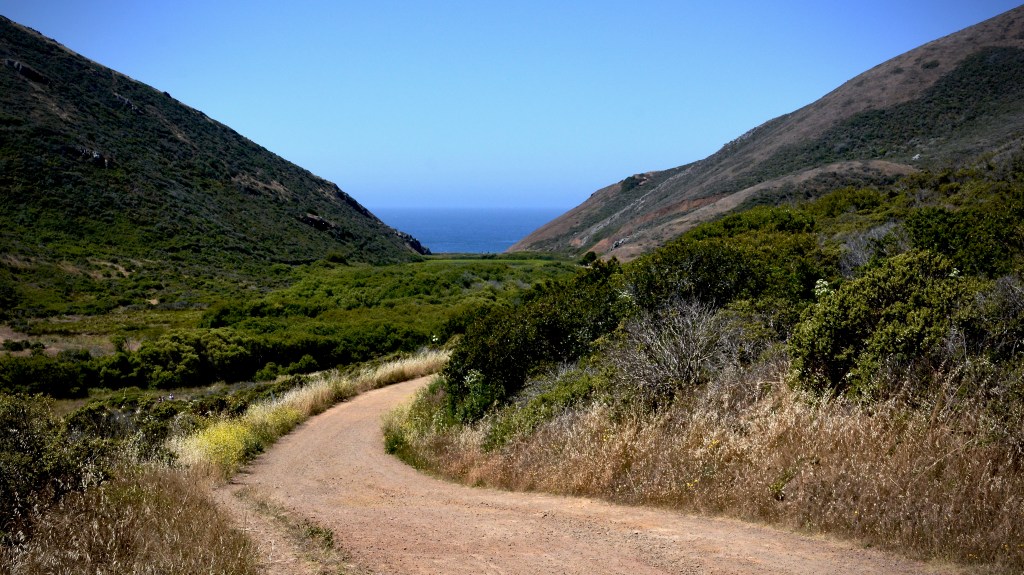
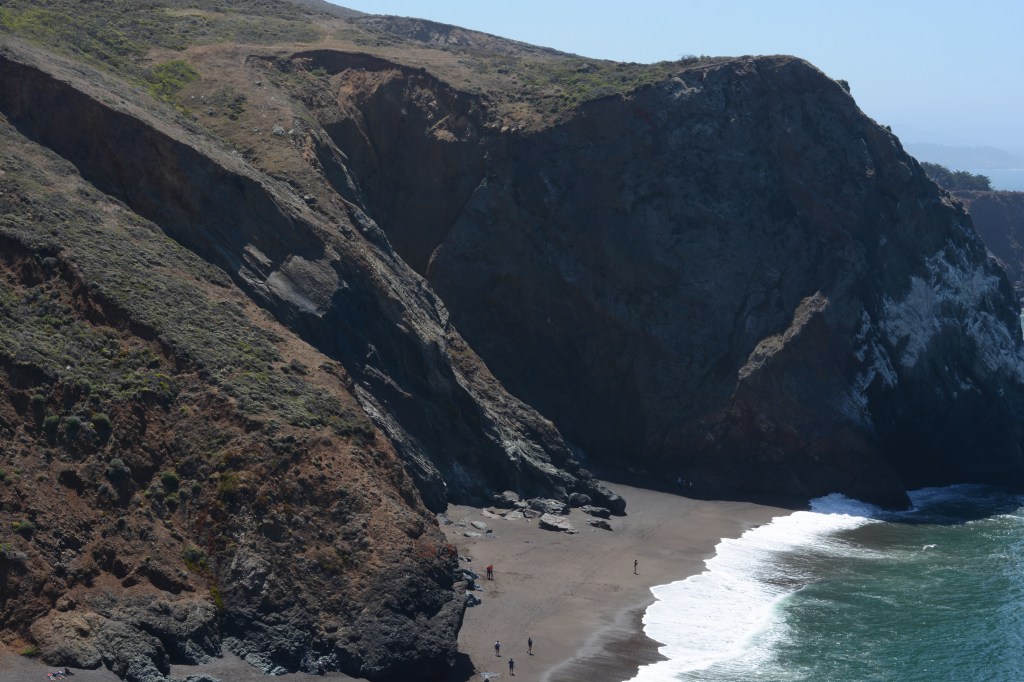
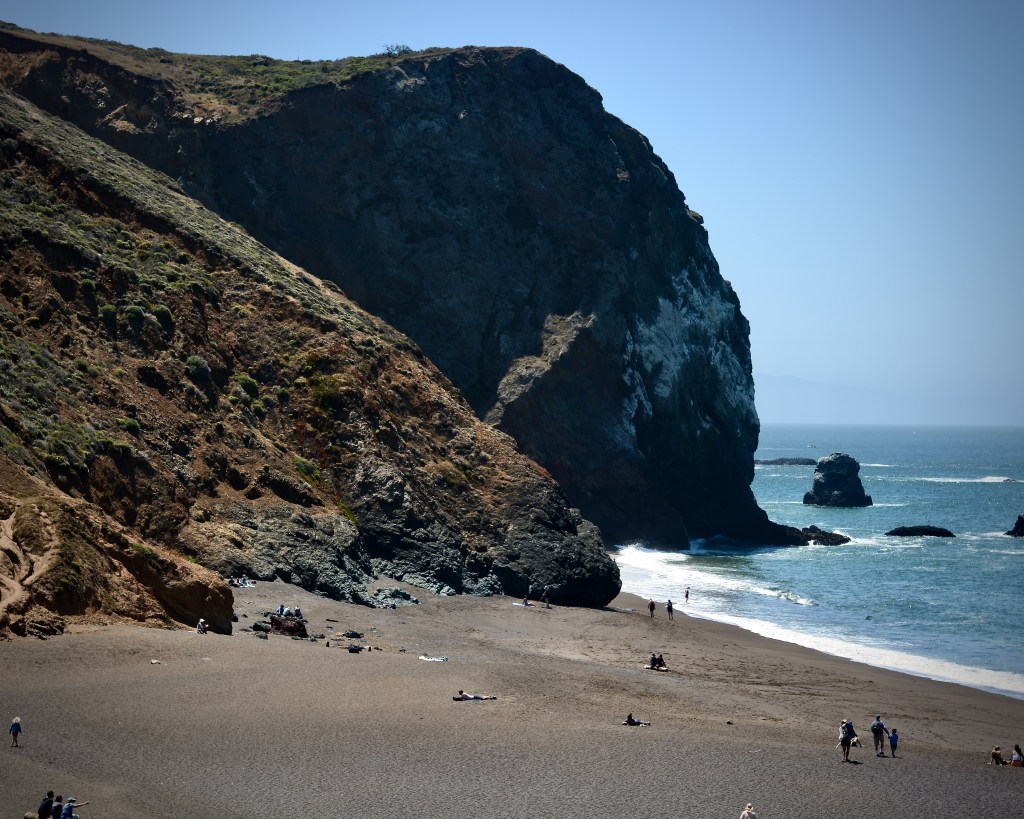
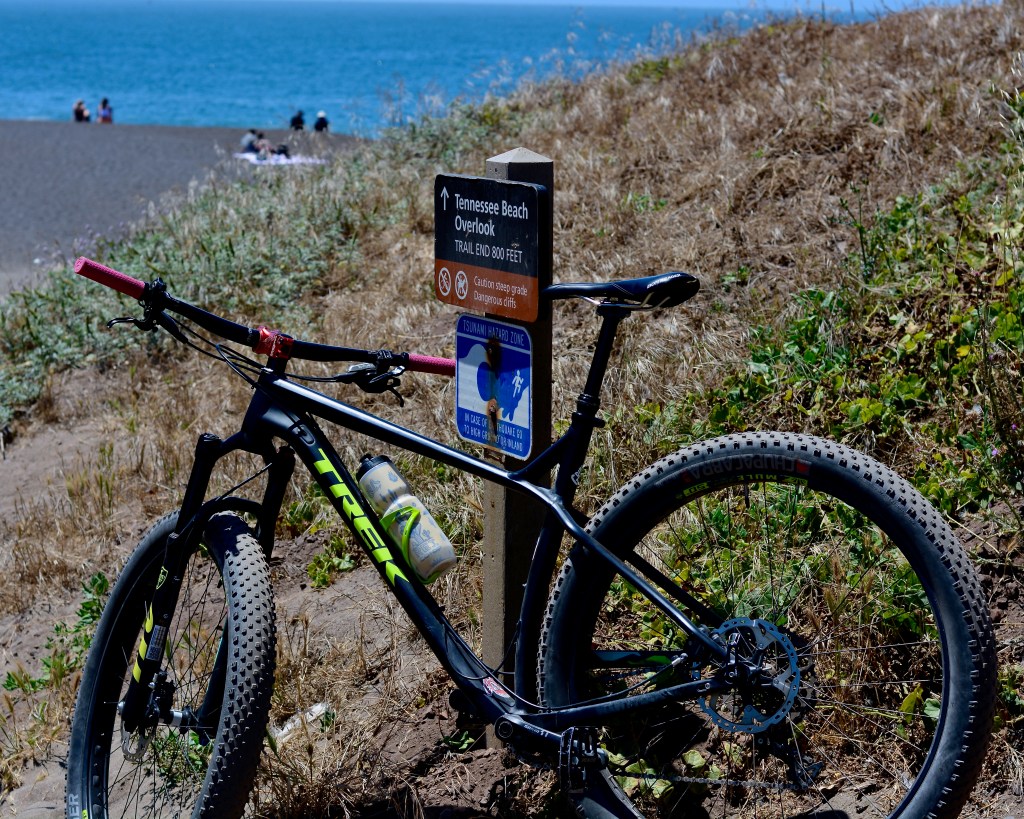
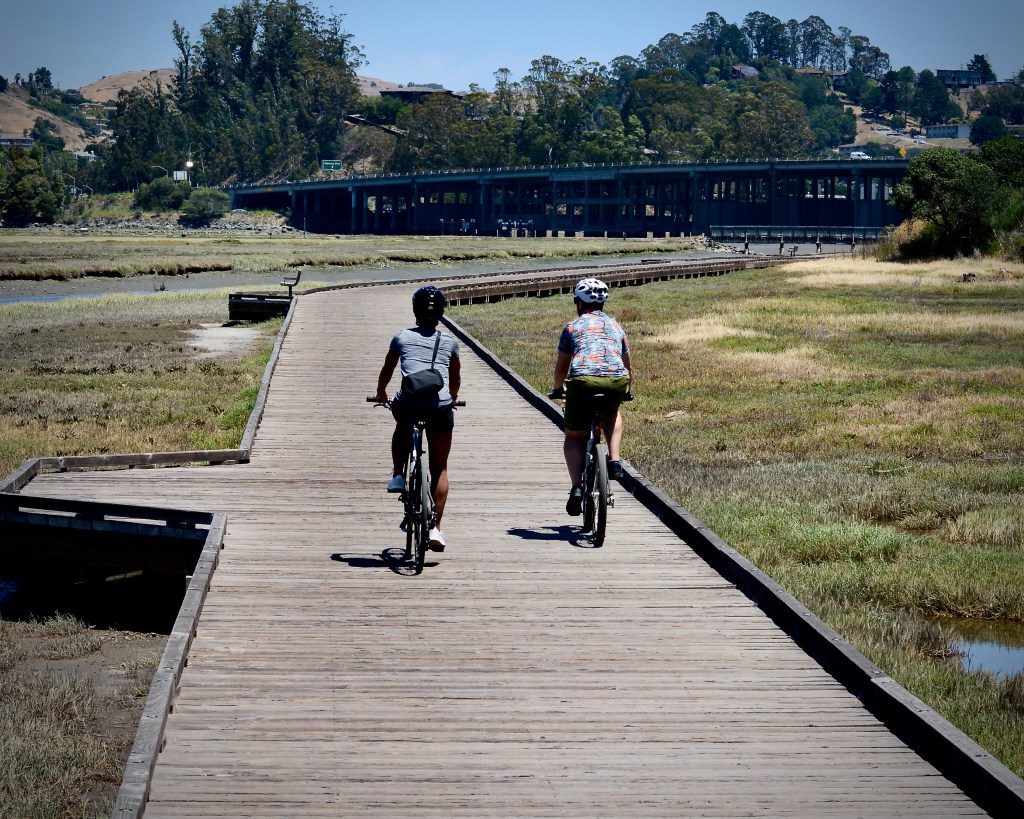
I’ve been doing a lot of hiking and walking recently so I decided to mix in a bike ride. After some consideration, I settled on taking an easy ride down the bike path from Sausalito to Mill Valley and heading over to Tennessee Beach.
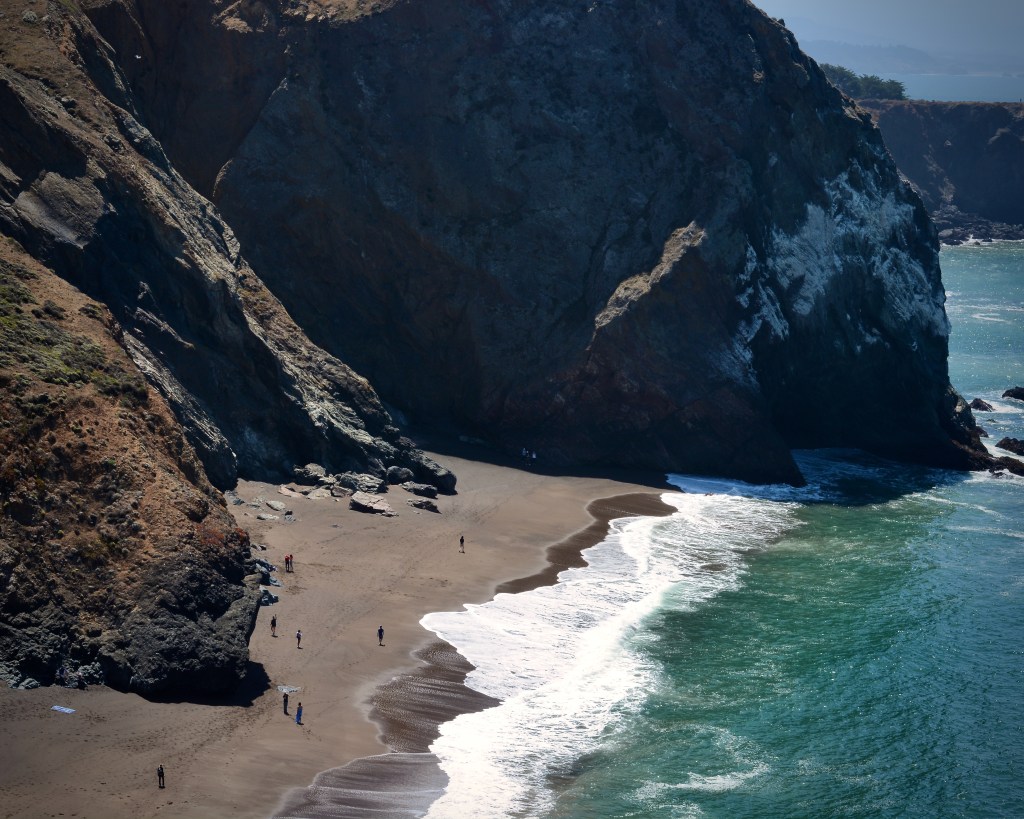
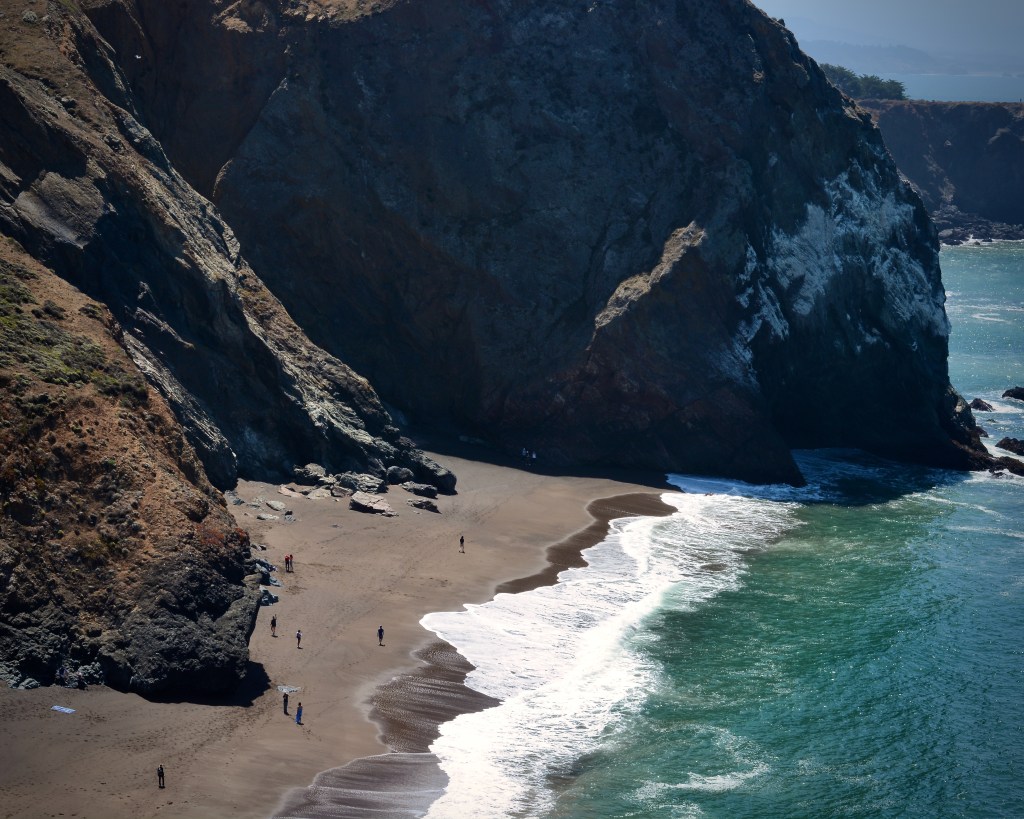
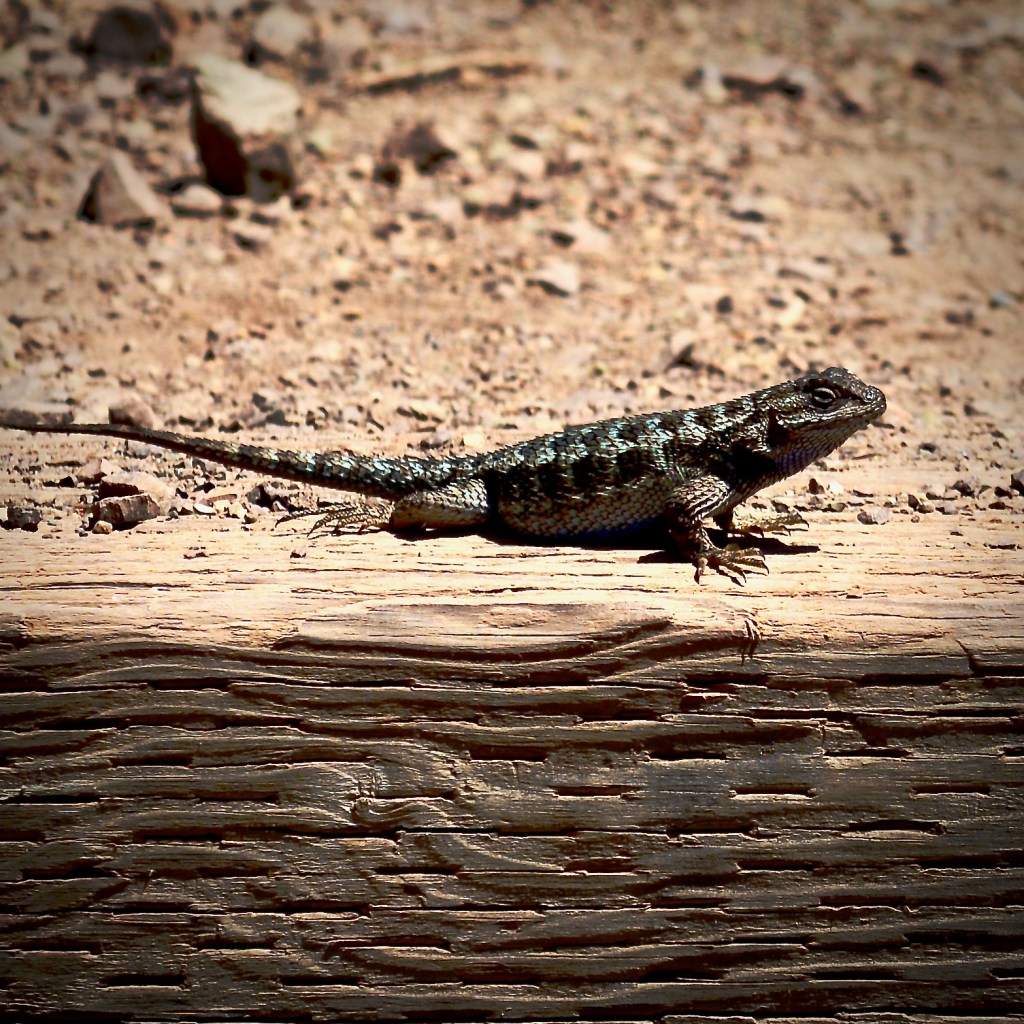
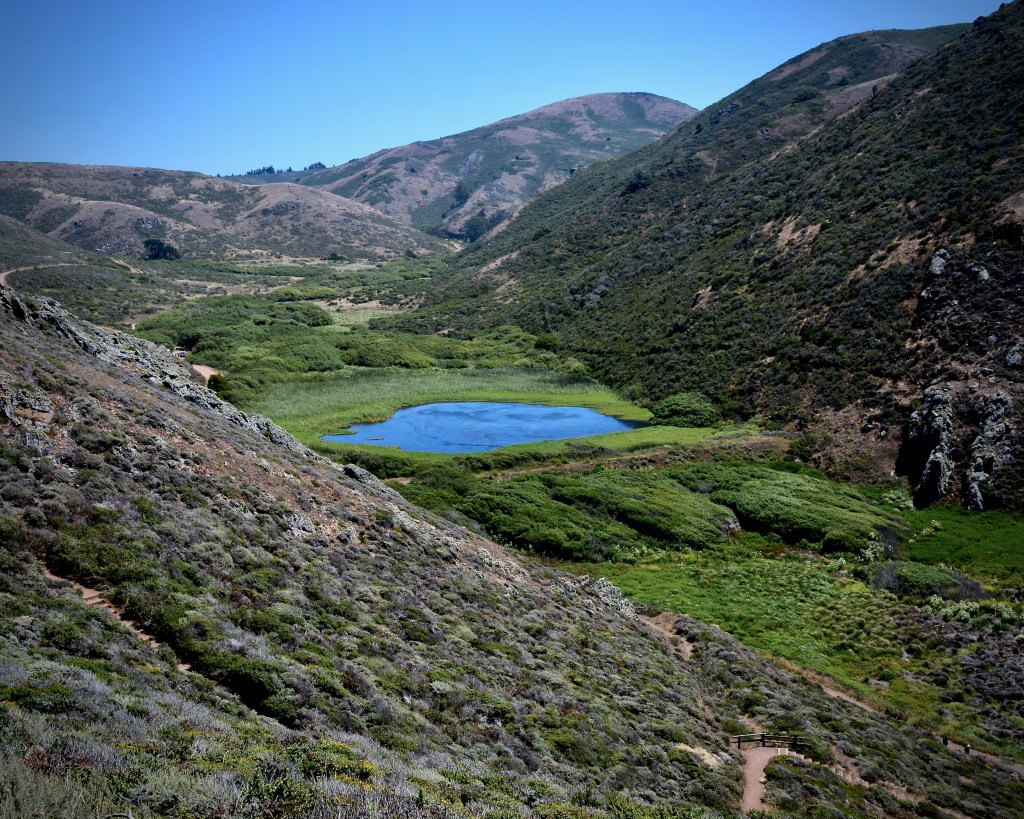
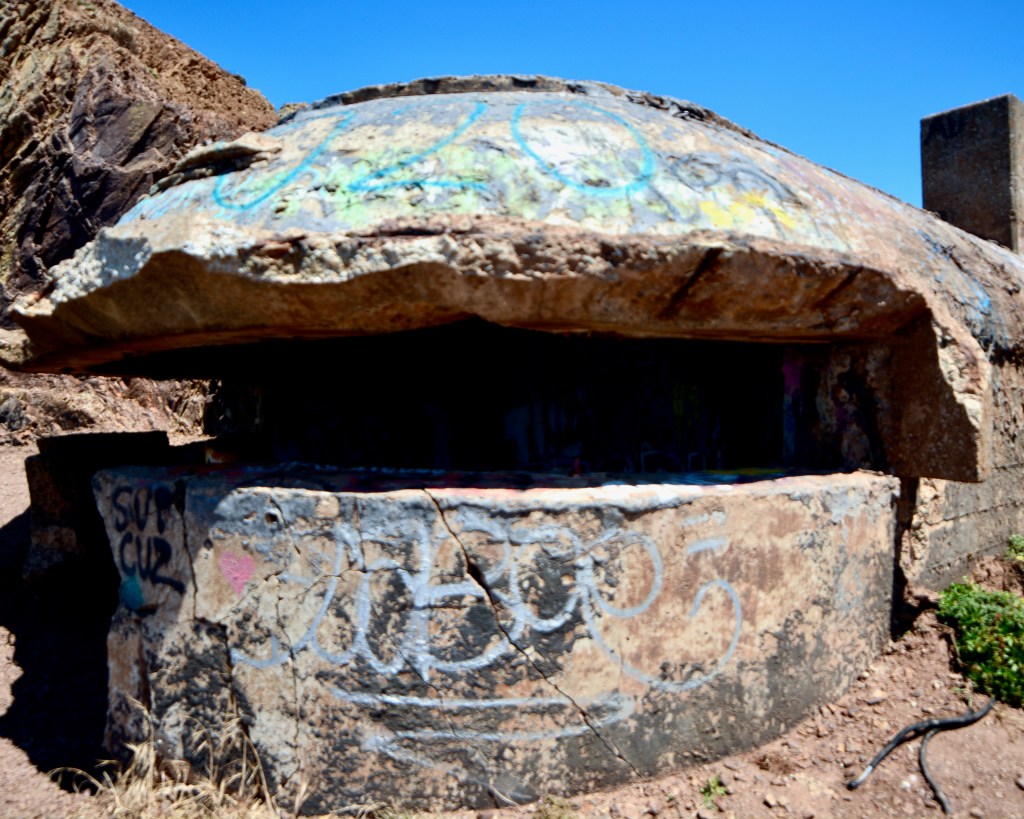
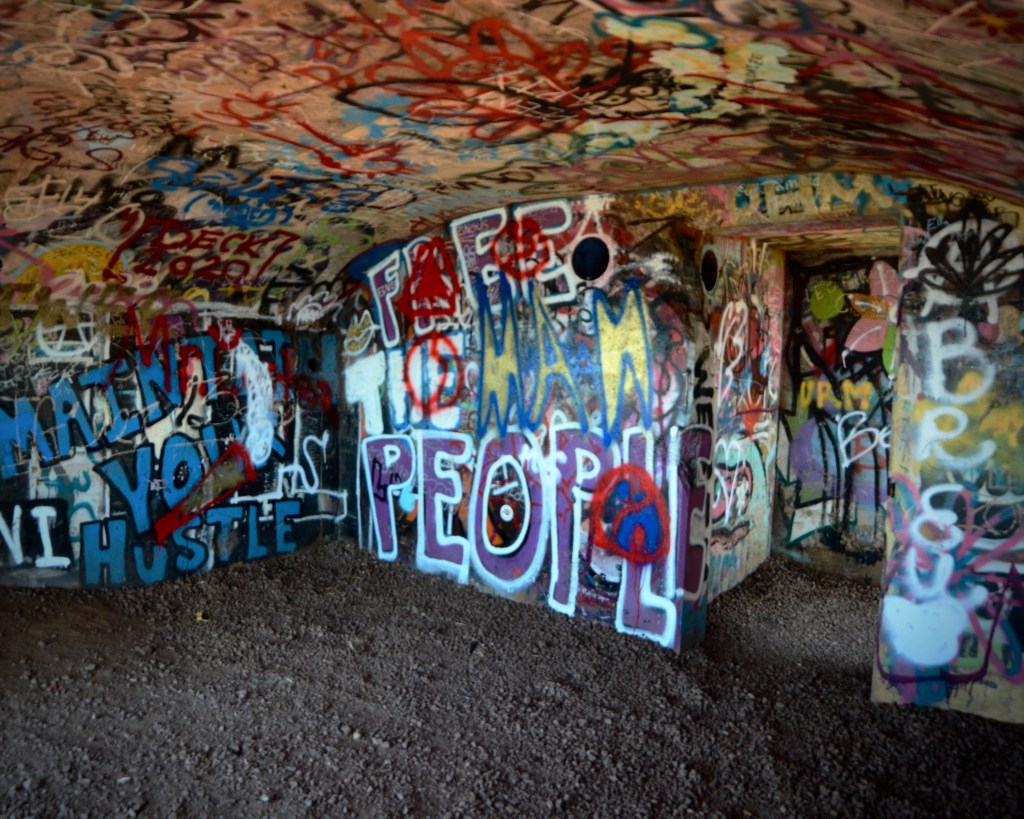
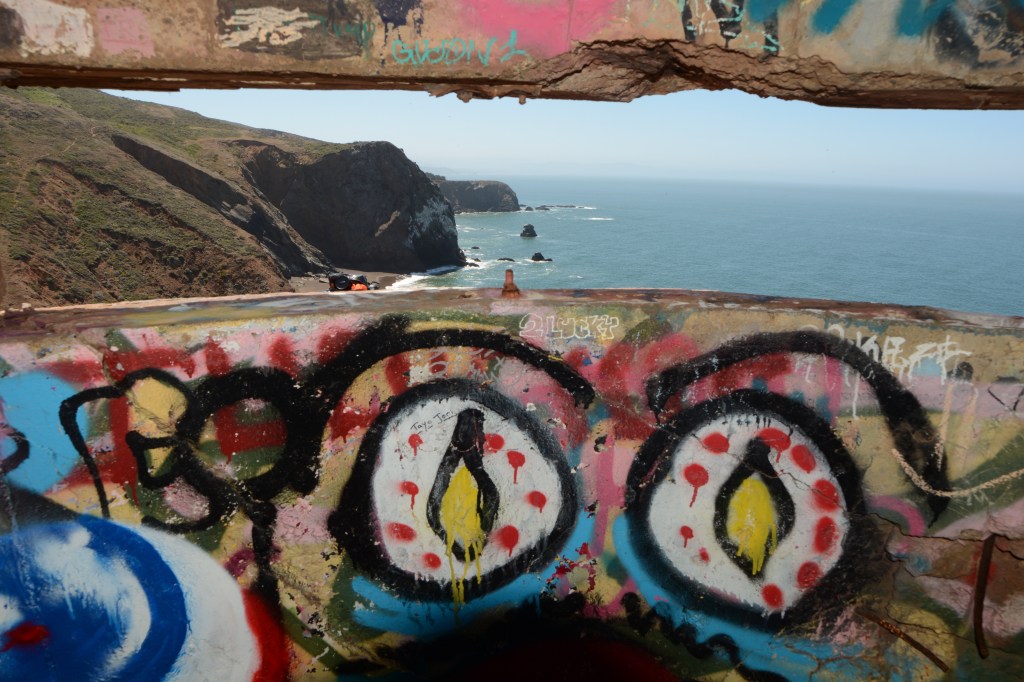
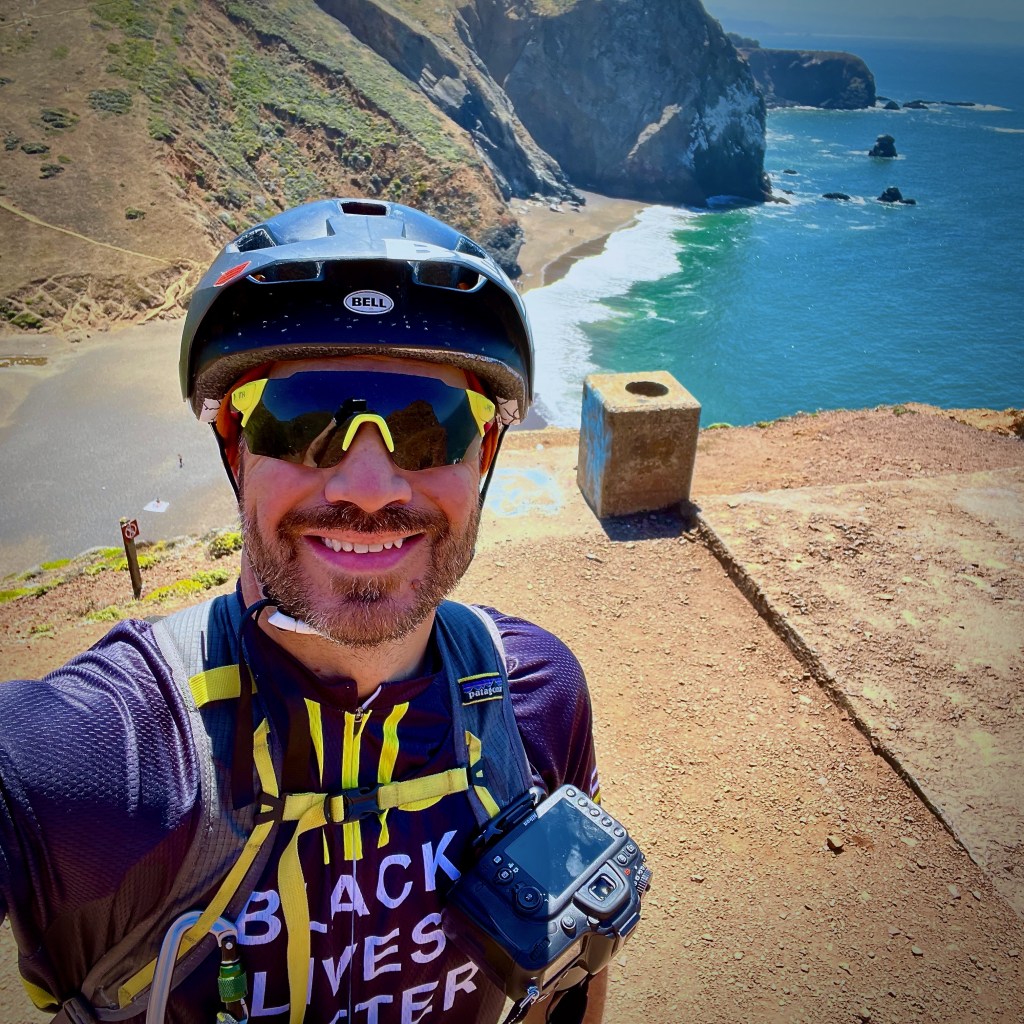
It was a chance to ride and shoot some photos of the beach, coastline and the abandoned military bunkers that still dot the landscape of the Marin Headlands today.
The timing also coincided with the parade in San Francisco celebrating the Golden State Warriors’ NBA championship, which meant trains, buses and ferries would be crowded so I wanted to stick to something I could do without transit or driving.
The beach, cove and valley are named for the SS Tennessee which ran aground in fog in 1853, the early days of modern, post-Gold Rush California.
Prior to the Gold Rush era Marin County was home to the Coast Miwok and much of the land was similar to what Muir Woods is today, wooded by large, old growth redwood capable of conserving water on the landscape and harboring abundant wildlife.
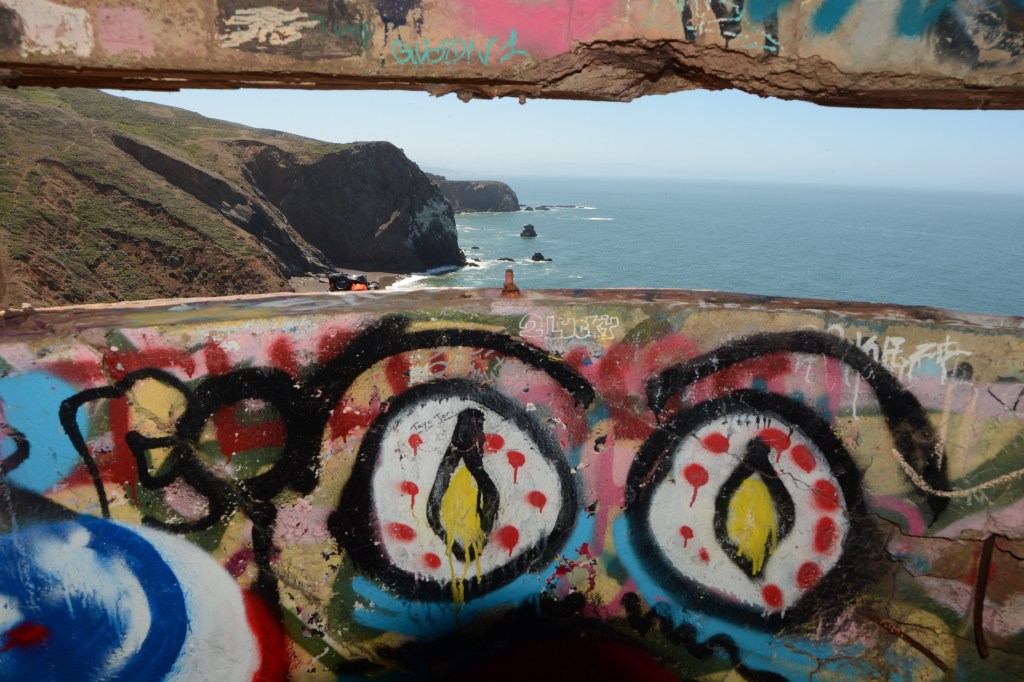
With non-indigenous settlement the natural resources were plundered for economic gain and the land, eventually, was turned over to dairy farming and ranching before coming under federal protection in the form of the Golden Gate National Recreation Area.
With Juneteenth on my mind as I rode over, I couldn’t help but think of the song “Tennessee” by Arrested Development, which is about how the legacy of slavery, violence and systemic racism reaches into the present and the struggle to cope with that reality.
(Home!) But Lord, I ask you
(Home!) to be my guiding force and truth
(Home!) For some strange reason it had to be
(Home!) he guided me to Tennessee
Arrested development
One thing in particular I like about Juneteenth is that it’s a celebration not just of freedom, but freedom specifically for people who were oppressed.
Unlike more militaristic or nationalist holidays such as Independence Day, you can’t separate the celebration of the end of slavery as a legal institution without acknowledging the hundreds of years during which we built the nation using legal slavery as the driving wealth-making tool.
To me that also means thinking about what’s happened since that first commemoration in 1866 and all the official and unofficial ways our country, even without official slavery, still clings to its vestiges as a means to enforce exploitative social and economic orders.
Still, even as we trudge onward under systems and frames of thoughts similar to those people used to rationalize slavery, it’s nice to finally have a federal holiday to recognize its official demise and prompt us to think about what we might do so that people 150 years from now have some other source of joy and liberation to celebrate.






 Occidental on Purpose
Leave a comment