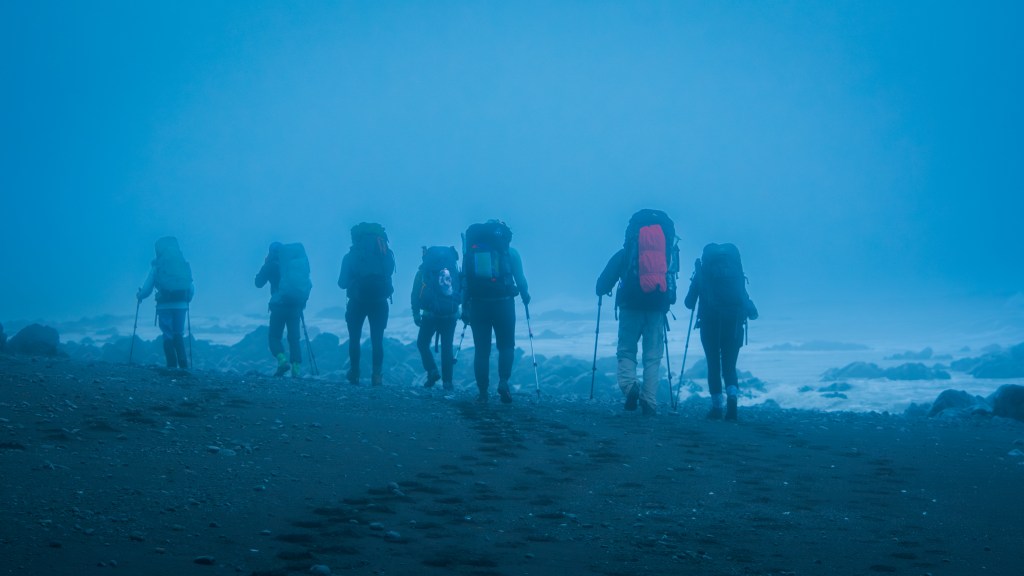
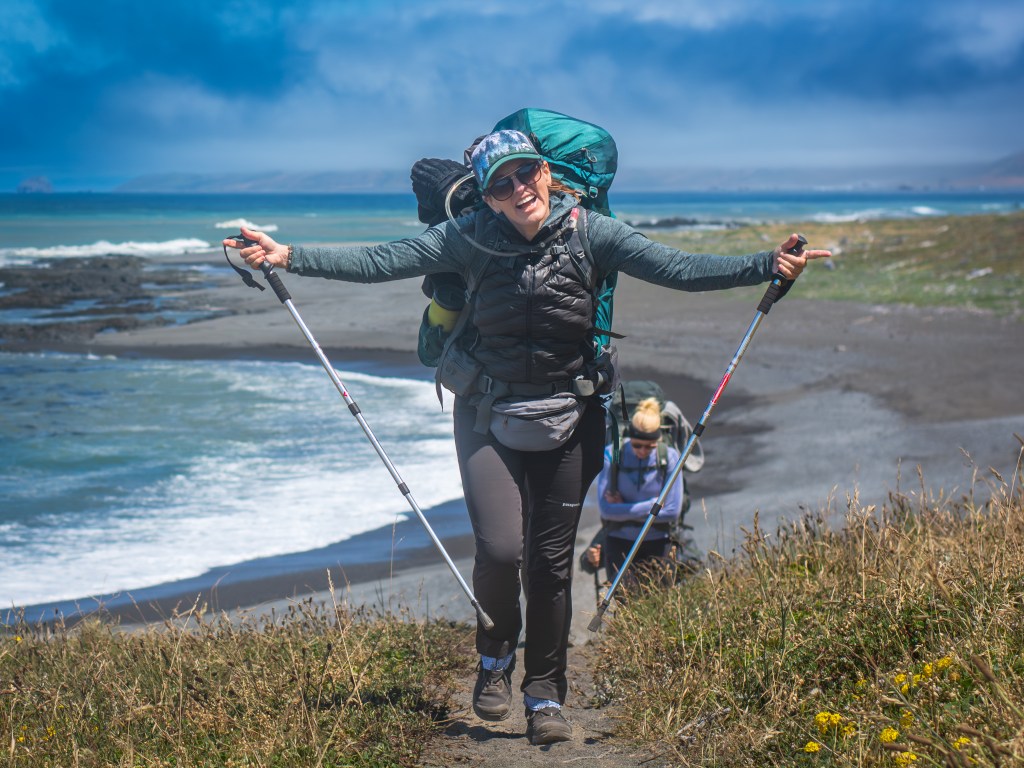
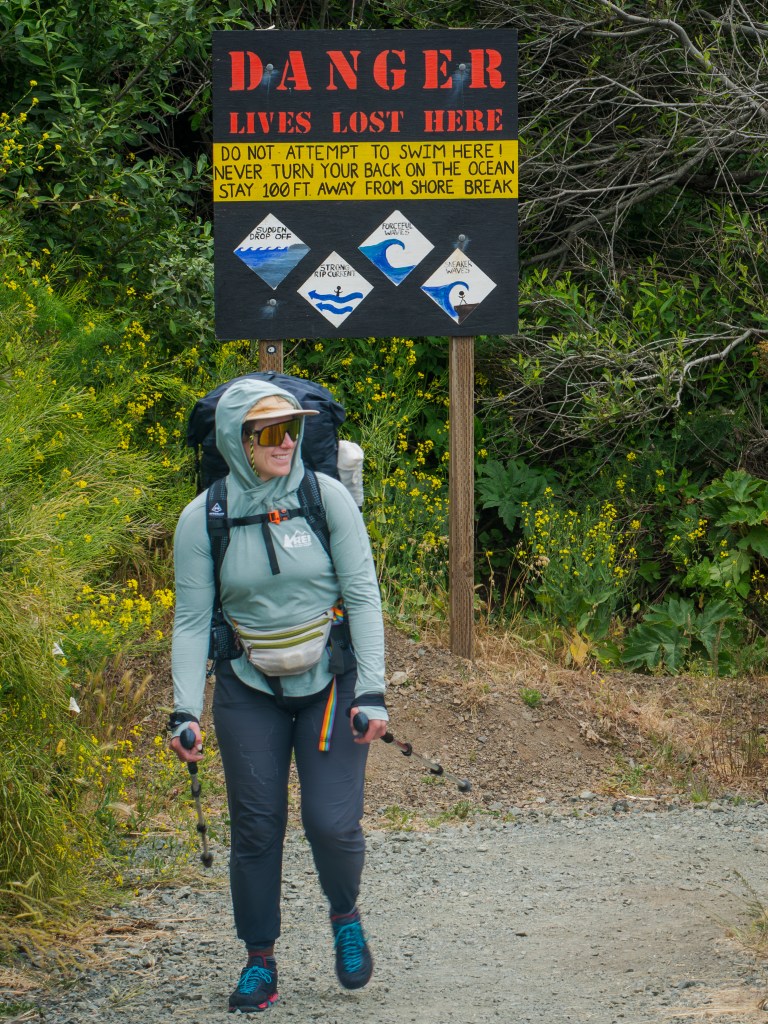
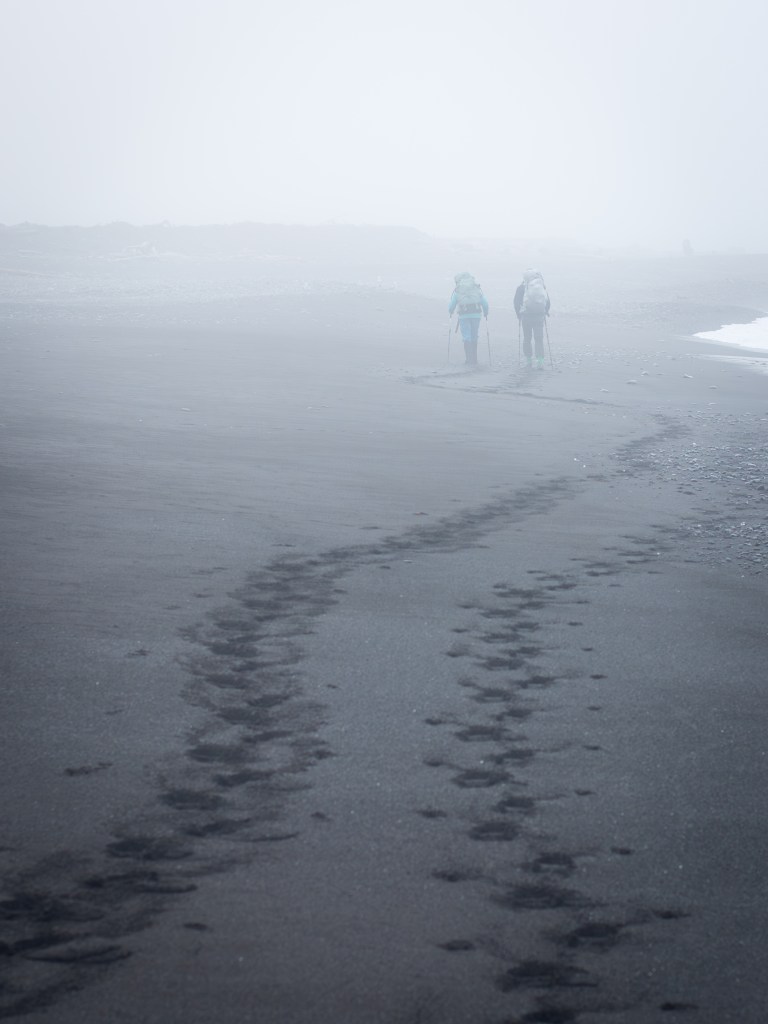
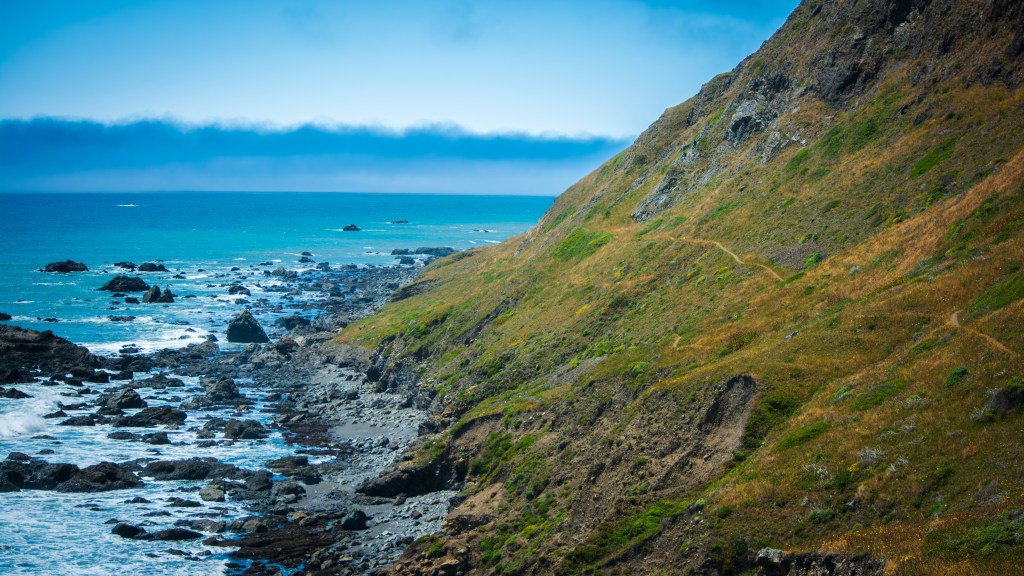
It had been a while since I’d been backpacking—like, several years—so I was pretty rusty. I had wanted to do the Lost Coast Trail in Humboldt County for a long time. When I saw that the Outdoor Adventure Club was offering a guided trip, I immediately signed up. I’ve hiked and camped in that area a bunch, but never backpacked the whole Lost Coast Trail. It’s a 25-mile trail that usually starts at Mattole Beach and ends at Shelter Cove. Even though it’s not super long, it’s pretty technical. If you’re not experienced, it could definitely take a few days to finish. My group did it in three days—we started on Saturday, camped Saturday and Sunday nights, and finished on Monday.
So, I live in Marin County, and the trip kicked off on Friday. The first thing I had to do was get all my gear together. I’d been out of the backpacking loop for a while. Honestly, my gear was scattered between my house and our rental place in Reno. I had to do some serious gear hunting. Thankfully, the Outdoor Adventure Club provided an awesome checklist, which really helped me stay on track. I knew what I needed, but having a solid list to rely on made it way easier. It saved me from second-guessing myself and made packing a lot less stressful.
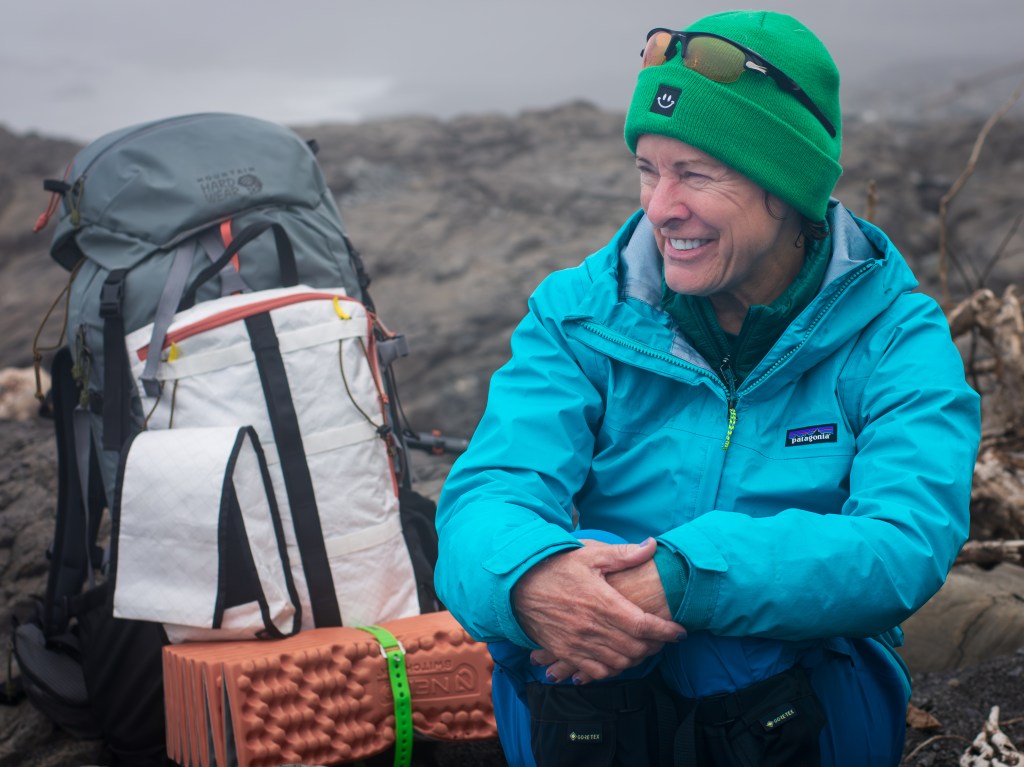
Even though I had the list, I still ended up buying a few things. I drove out to Reno to grab my stuff. It was in a storage unit. I didn’t want to bother the person renting the place to get to it. So, I decided to pick up some new gear. I also had access to the Columbia/Mountain Hardwear employee store in Richmond, which is a gem. I got a two-person Mountain Hardwear tent and a 55-liter backpack. The trip’s recommendation was a 60-liter pack, but I wasn’t feeling the 70-liter option, so I went with the 55. It worked fine for the trip. In hindsight, I wonder if a 70-liter pack might’ve been better for longer trips. Oh well, live and learn.
One thing that surprised me was the usefulness of some gear I wouldn’t normally consider. Gaiters, for example, were unexpectedly helpful. I don’t usually wear them, but the list had them, and I’m glad it did. The trail had a ton of sand, rocks, and poison oak, and having those gaiters made a huge difference. They kept the poison oak off my ankles. They also kept it out of my shoelaces. This is super important because you don’t want to touch that stuff after it’s in your laces.
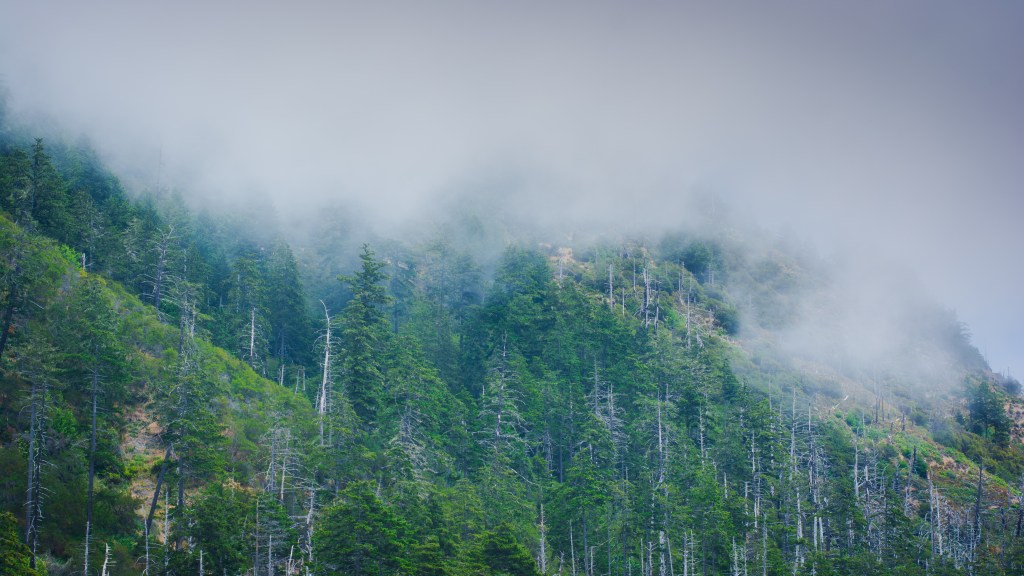
I left Marin around 10 or 11 a.m. on Friday and carpooled with this guy named Dave, who was super chill and also going on the trip. We drove to Shelter Cove, which is the south end of the trail. We’d leave our cars there. Then, we would catch a shuttle to Mattole to start the hike. Shelter Cove is a cool campground—it’s definitely worth a visit if you’re ever in the area.
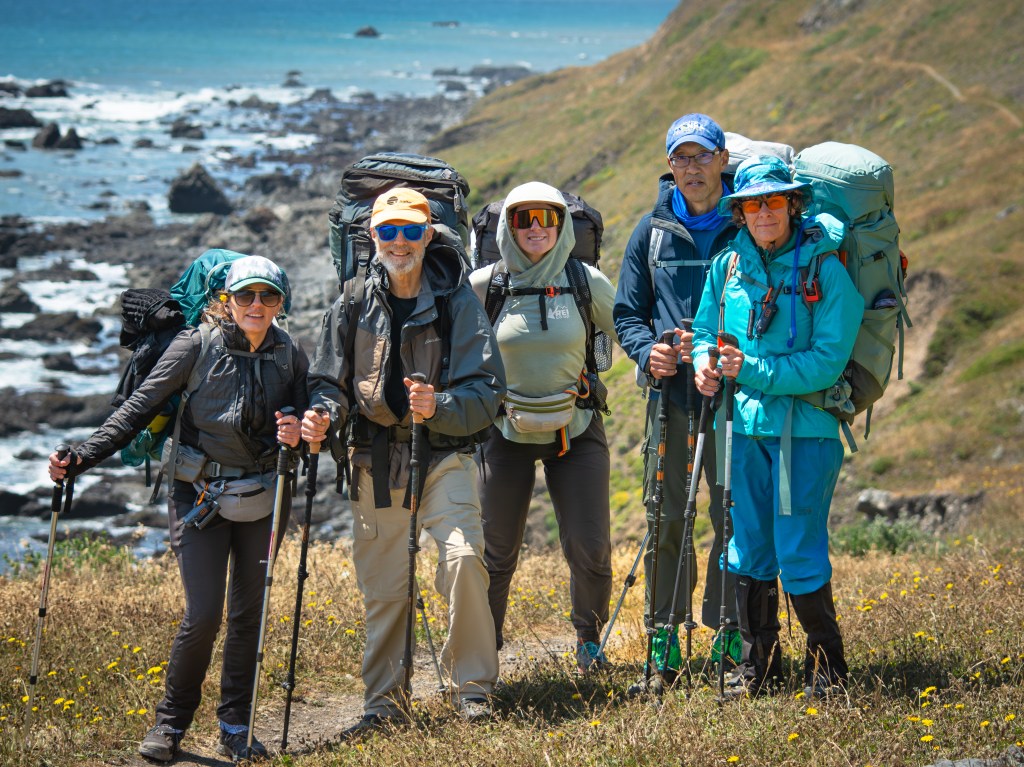
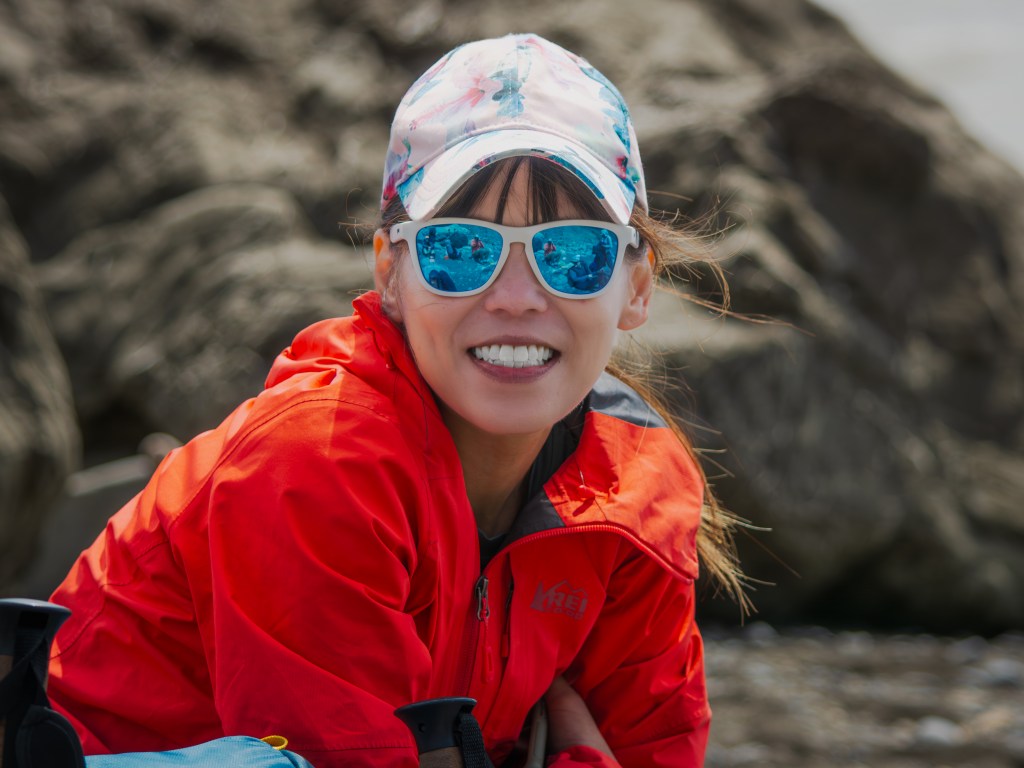
We met our guide, Cecily, that evening. She was amazing—super positive, knowledgeable, and just all-around great to have leading the trip. The group was small—just eight of us, including Cecily, which made for a nice, manageable group size. The next morning, we got up early. After a two-hour shuttle ride through some twisty, crazy roads, we started the hike at Mattole Beach.
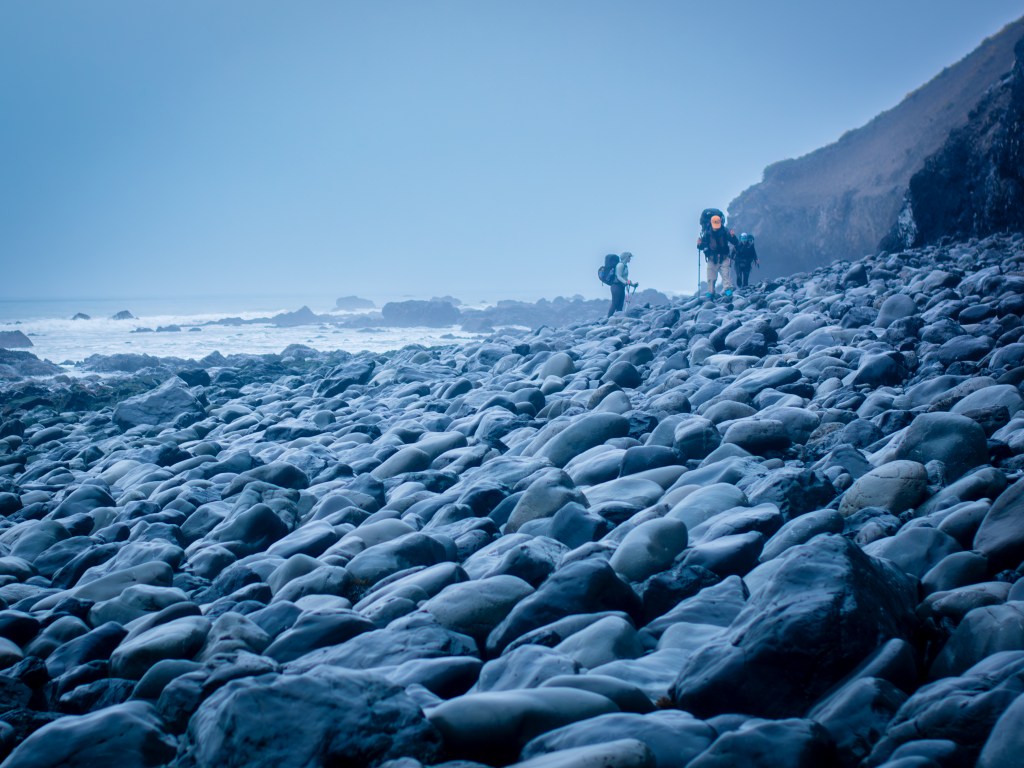
The Lost Coast Trail is tricky in that there are sections that are only passable at low tide. Even if you’re moving fast, you have to time your hikes carefully. Make sure you don’t get stuck where the water meets the cliffs. If you hit those spots at high tide, you’re out of luck. Most people plan their hikes to reach those sections during low tide. They camp afterward and then hike the next impassable zone the following day. Timing the tides is key, and you have to know when they’re changing for your trip.
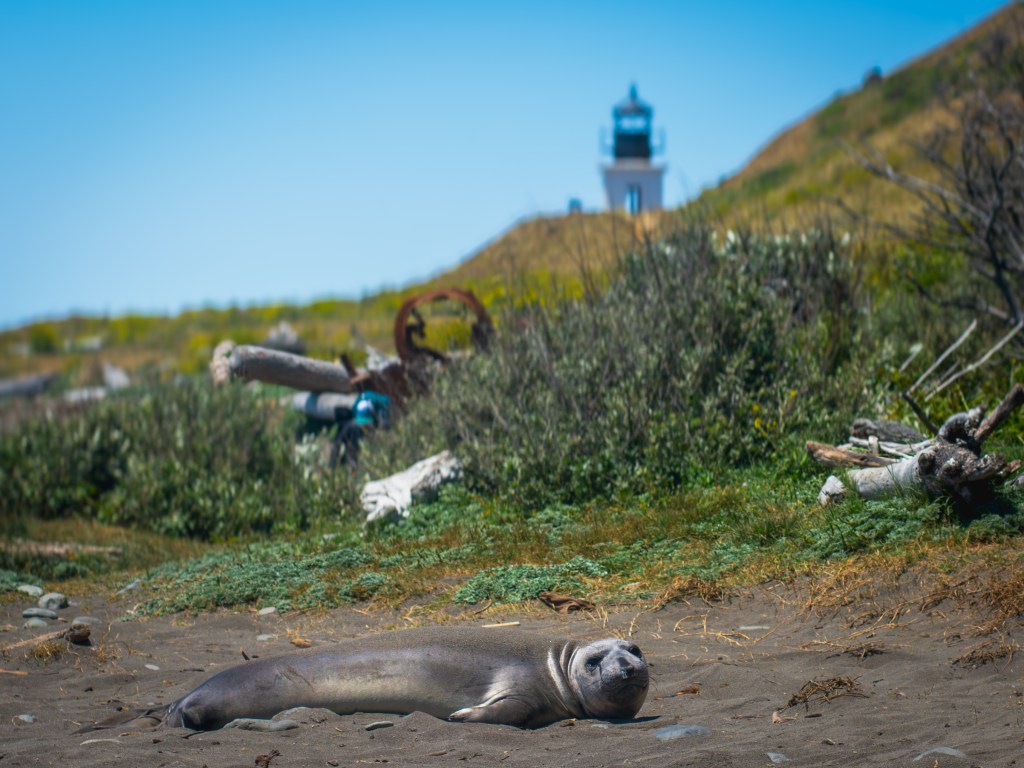
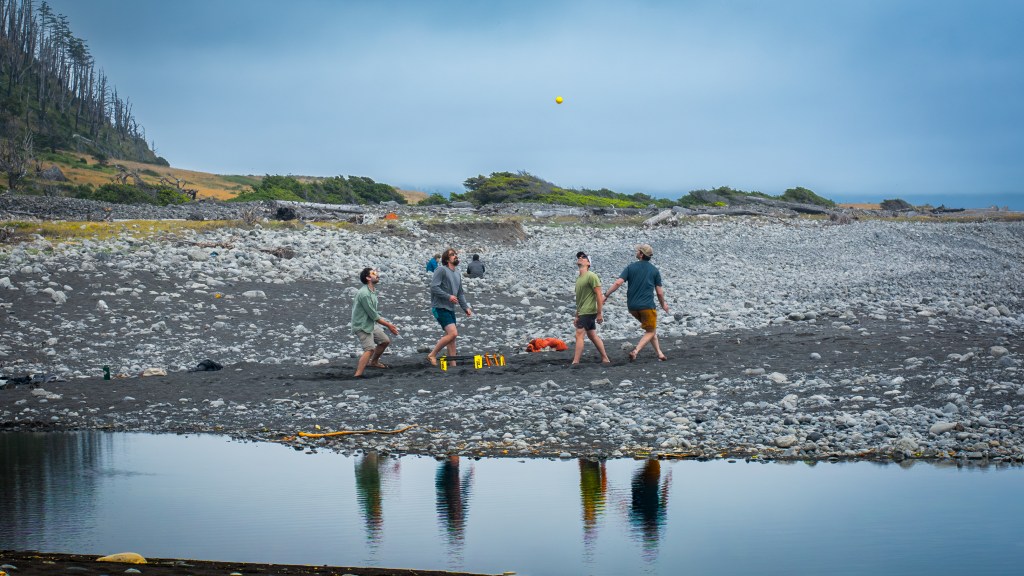
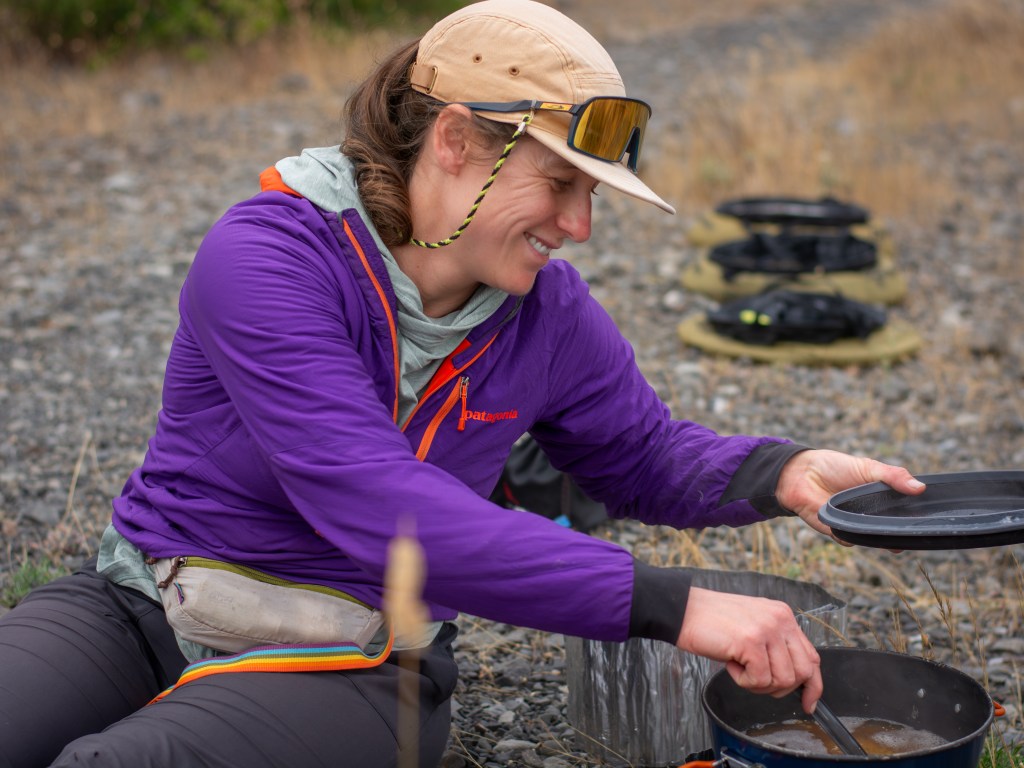
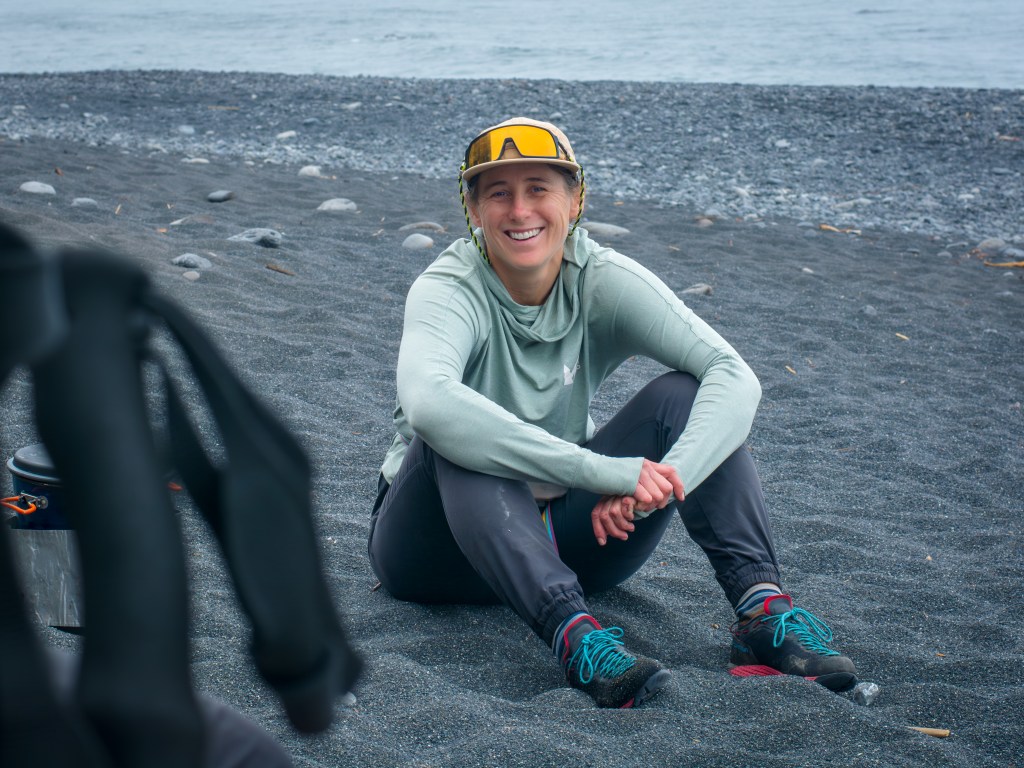
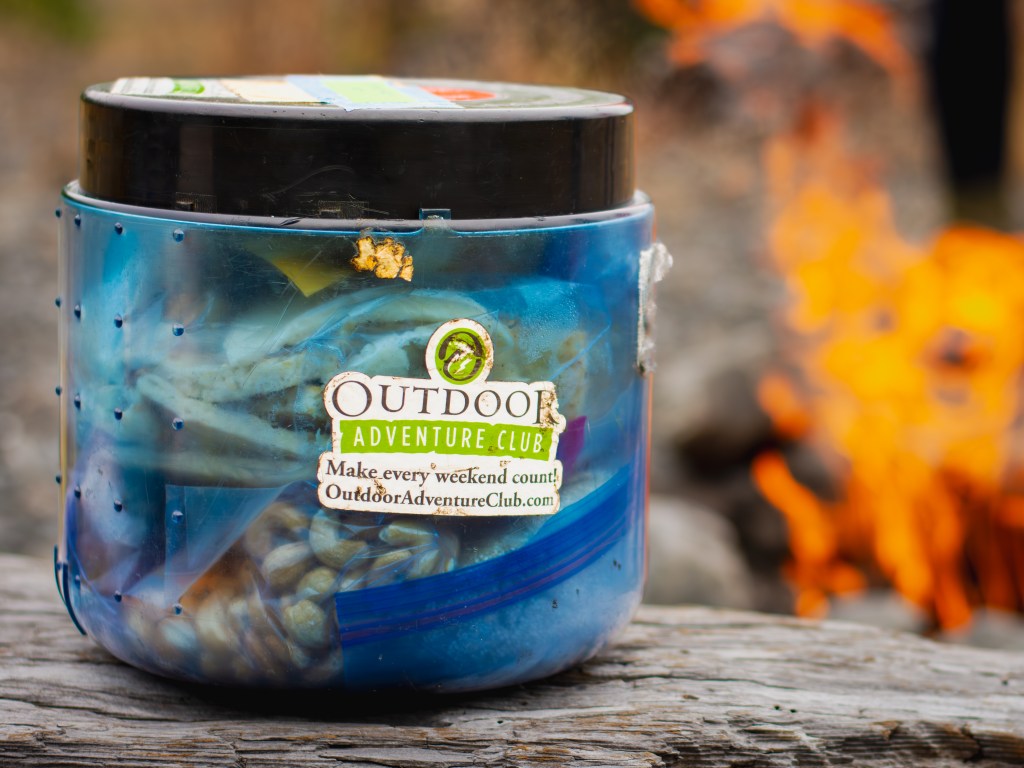
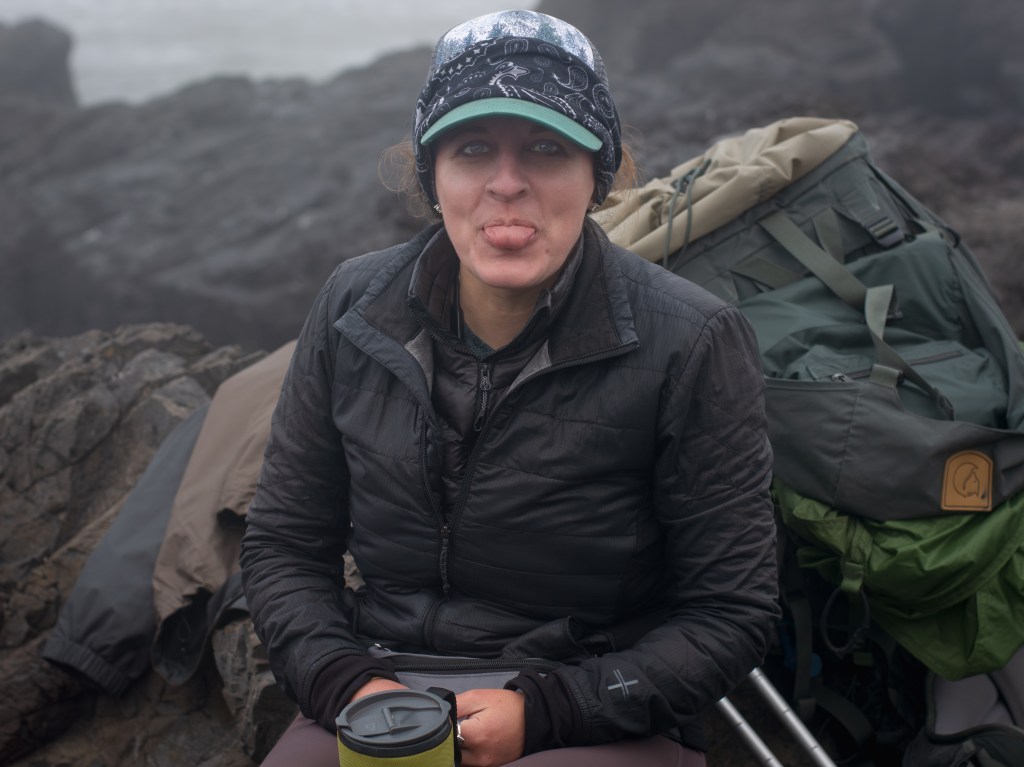
On day one, we did about six and a half miles, starting at around 11 a.m. because of the shuttle. We passed the Punta Gorda Lighthouse, which was a cool spot to stop for lunch. The guide had all our meals packed in bear canisters, and we each took one to carry. The food was great—everything was already prepped, so I didn’t have to worry about it, which was a huge relief. After lunch, we hiked a bit more and set up camp at a place called Cooskie. The campsite was right on the beach, though it was a little crowded when we got there. I didn’t get the perfect spot, but it was still pretty awesome.
Setting up my tent for the first time in the field was a bit of a struggle, though. I hadn’t used that tent before, and I was dealing with wind and rain while trying to figure it out. I had a little frustration when my gaiter hook got caught on my other shoe, which was annoying. But after a few minutes, I got it all set up. Another solid meal followed, and the first day ended.
The next morning, we aimed to get up early, around 5:45 a.m., to avoid the tides, but it didn’t happen exactly as planned. We left camp closer to 6:15 or 6:30. We hiked about 10 miles that day to a spot called Millerton Flat. This day went a lot smoother than the first one. The campsite at Millerton was great, too—spacious with plenty of good spots to choose from. I got a nice site and had no issues setting up my tent. We had more time to chill and relax, which was a nice change. The first day felt like a race, but by day two, things were much more laid-back.
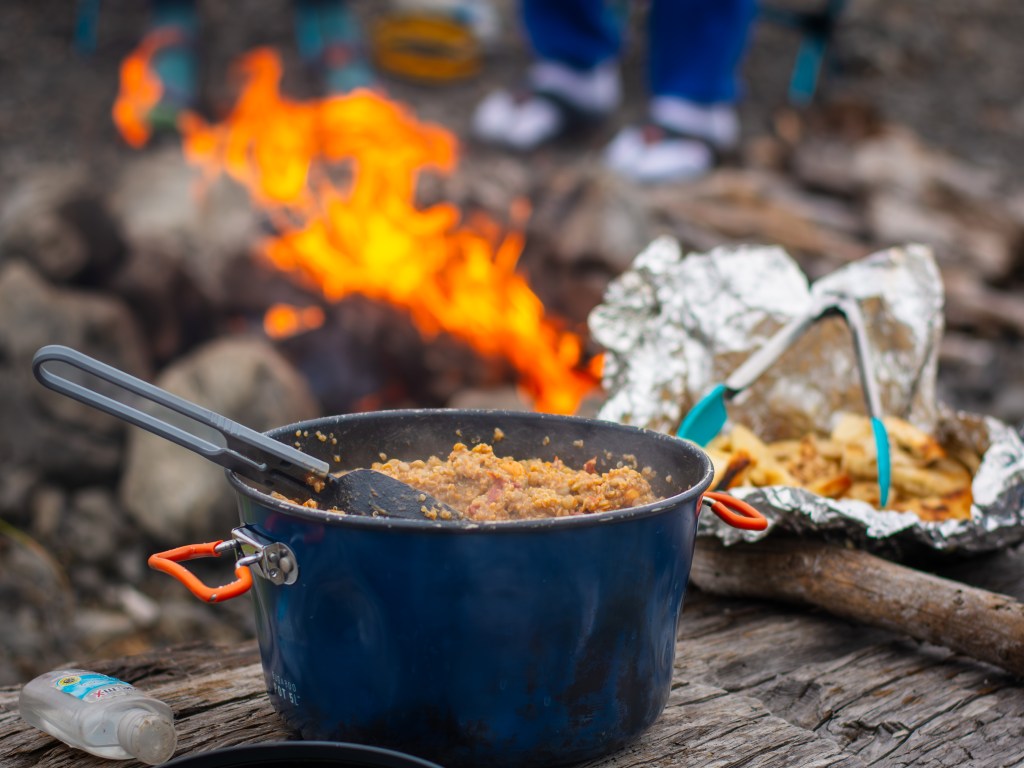
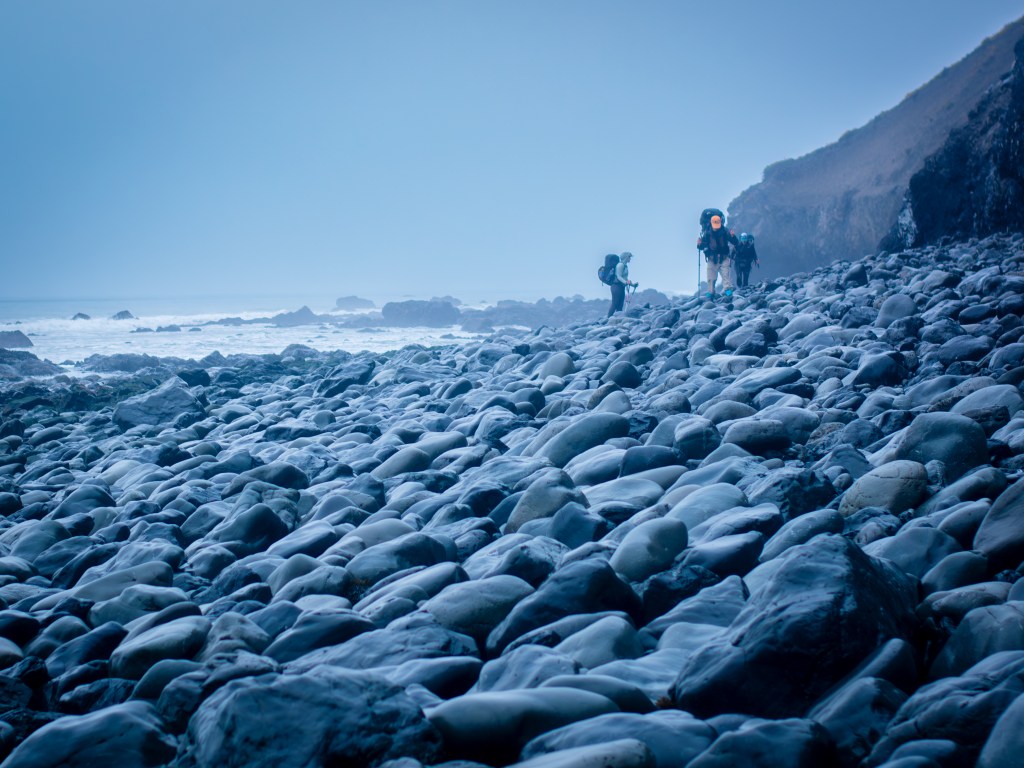
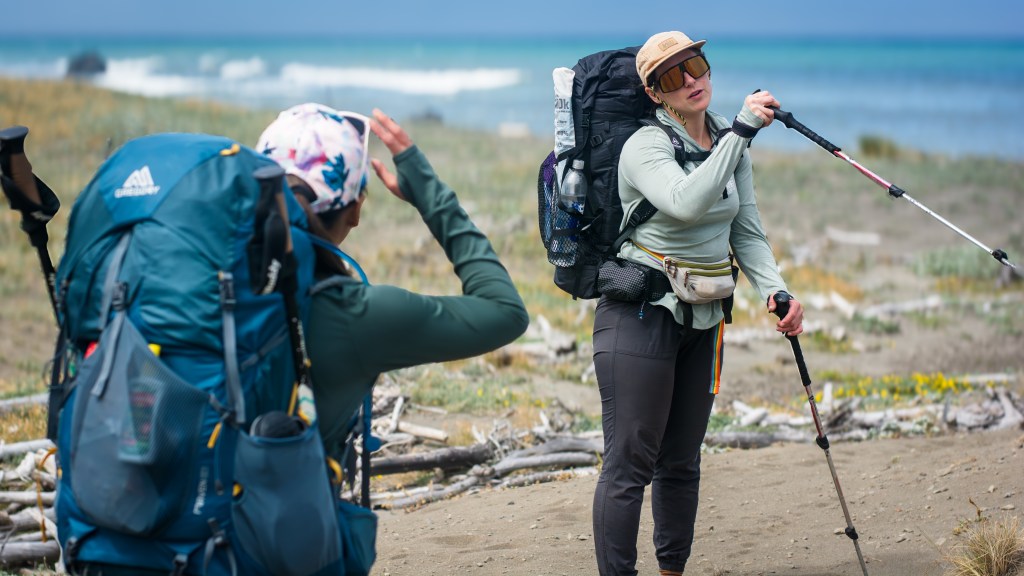
The third day was the hike out, which was about six to eight miles. We had to get going early again because of the tides. However, we didn’t quite leave as early as we planned. Still, we made it work and had a solid hike out. That day had a lot of boulder-hopping and sandy stretches. We timed it well. We hit the tough parts when the sand was wet from the outgoing tide. This made it easier to walk on.
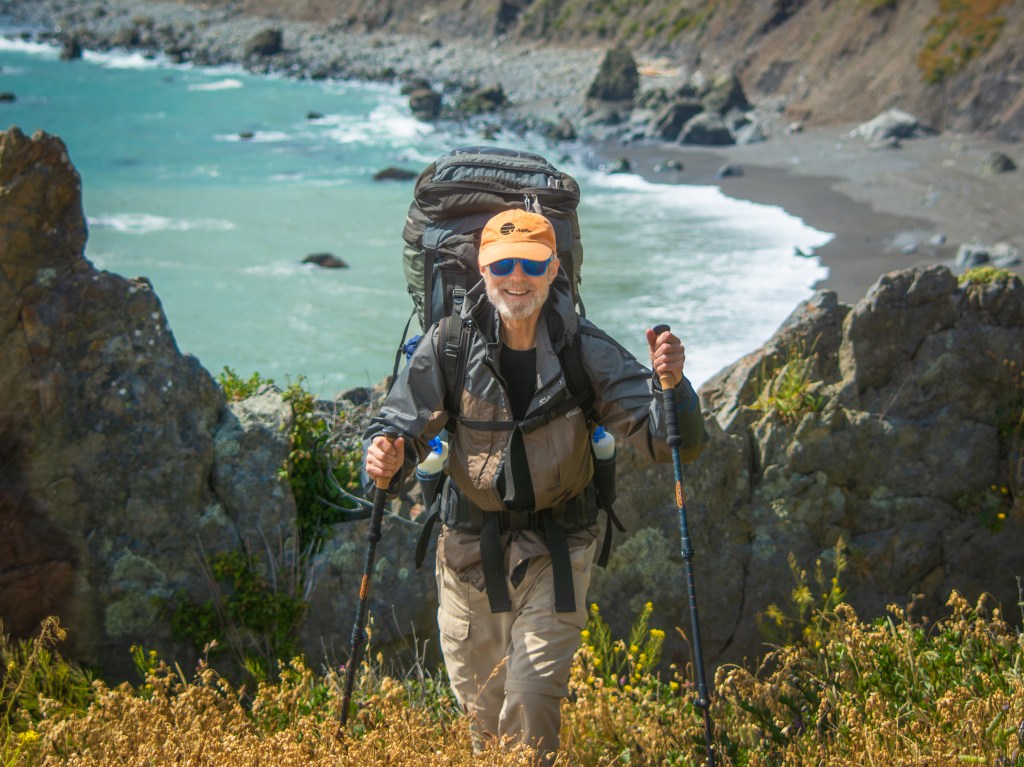
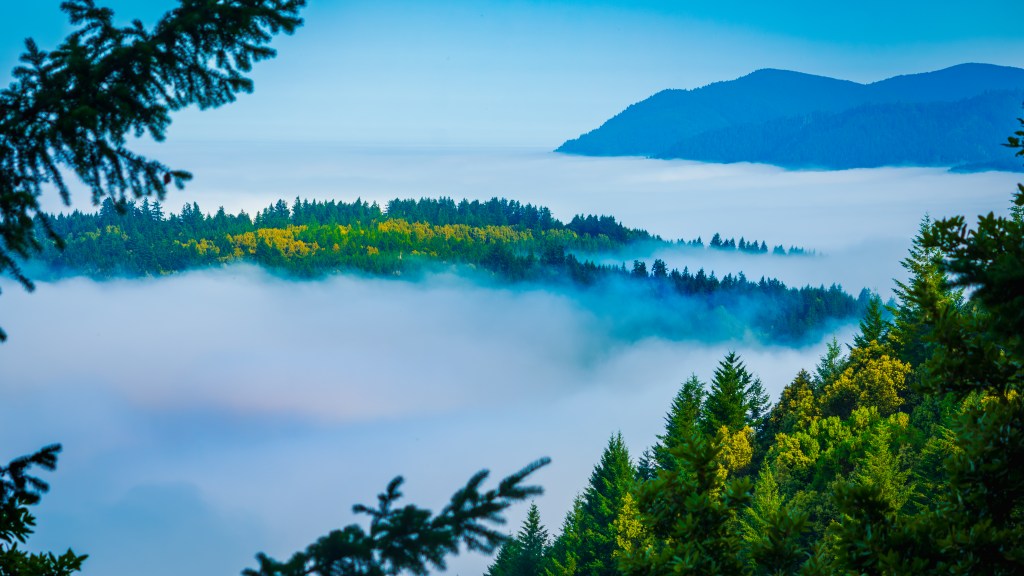
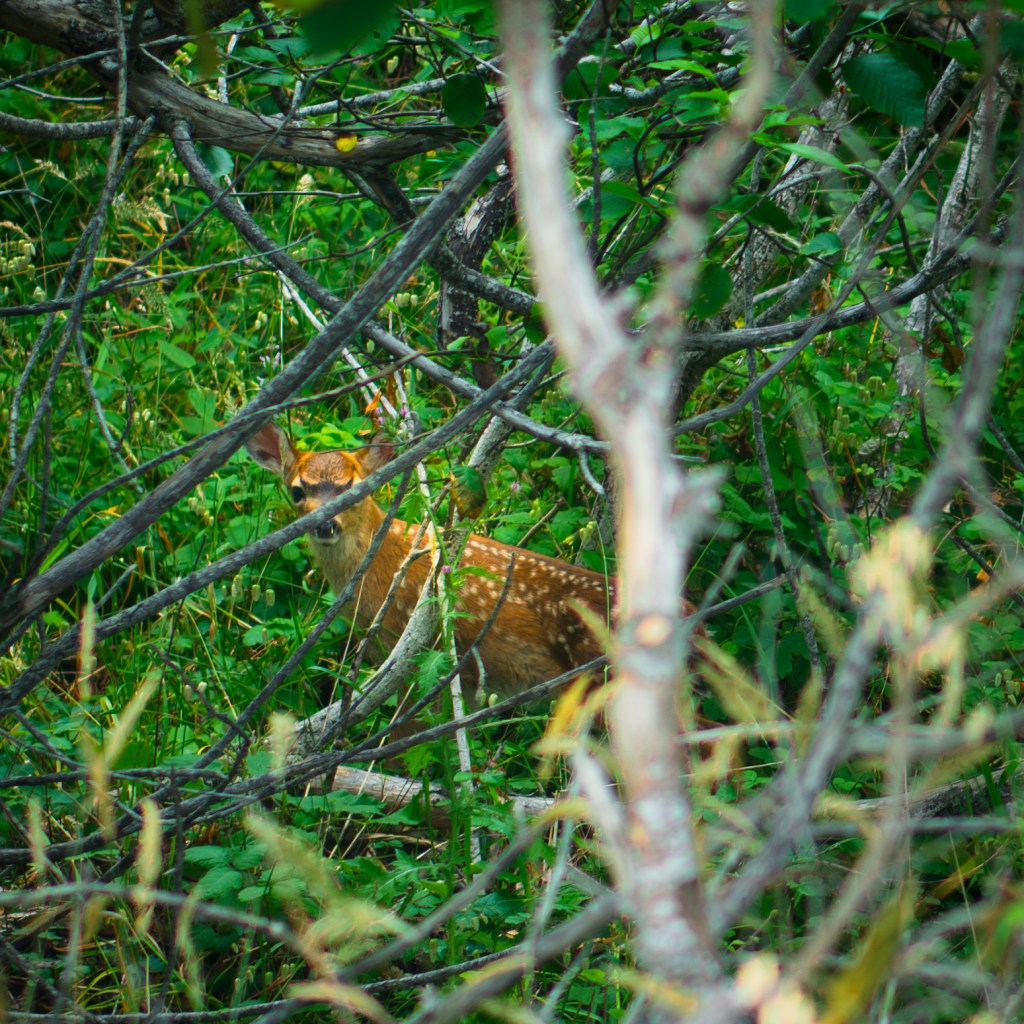
We saw some incredible wildlife along the way—deer, whales, seals, and even dolphins. The scenery was stunning the whole way, and the company was top-notch. By the end of the trip, I was really glad I did it. It felt good to get back into backpacking, especially with the support of a guide. I’m the type who usually takes on all the planning and logistics myself. Having someone else handle the food, the gear list, and the timing made the whole experience way less stressful. I don’t know if I’d do a guided trip for every backpacking trip. However, for getting back into it, it was perfect. And the Outdoor Adventure Club was awesome—organized, safe, and fun to be with.
So yeah, that’s my Lost Coast Trail adventure! Highly recommend it if you ever get the chance.







 Occidental on Purpose
Leave a reply to hopefulunabashedly4c803b69fc Cancel reply